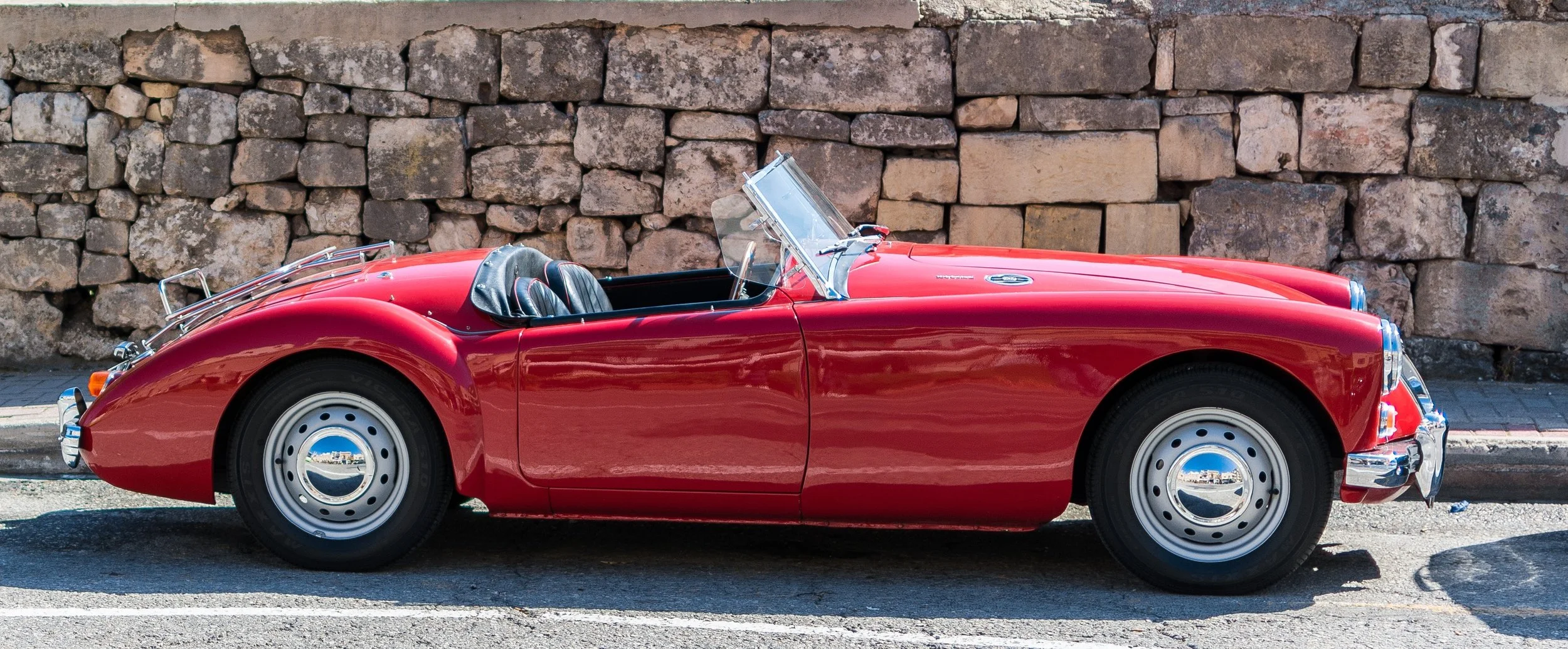
Registering a Historic Vehicle in Spain
In Spain, a vehicle can qualify as historic if it is at least 30 years old or has recognised special historical or cultural interest. In addition, the vehicle must remain substantially faithful to its original character and specification.
Registering a vehicle as historic brings several practical advantages, including more flexible ITV intervals and easier access to many low emission zones. However, the process involves technical requirements, and historic vehicles are restricted to occasional use only. At Car Registrations Spain, we can guide you through the entire registration process from start to finish.
Who Can Qualify?
Historic status is generally available for vehicles that are at least 30 years old, or which have particular historical or cultural interest.
The vehicle must remain substantially faithful to its original design and character. Major modifications that affect originality can complicate or prevent approval.
Benefits
Registering as historic offers several advantages, though these depend on the vehicle and local rules:
- Potentially cheaper insurance (often with mileage/use restrictions)
- Road tax (IVTM) exemption or reduction in many municipalities
- Easier access to Low Emission Zones (ZBE) in most cities
- Extended intervals between ITV inspections
ITV Tests
One of the main benefits of historic registration is the significantly reduced frequency of ITV inspections compared with modern vehicles.
Under 40 Years Old
Historic vehicles under 40 years old are normally inspected every 2 years.
Between 40 and 45 Years
Historic vehicles between 40 and 45 years old are normally inspected every 3 years.
Over 45 Years Old
Historic vehicles over 45 years old are normally inspected every 4 years.
Over 60 Years Old
Historic vehicles over 60 years old (and historic mopeds) are generally exempt from periodic ITV, although voluntary inspections are still possible.
Historic vehicles may also be exempt from certain modern safety or equipment requirements if those items were not fitted when the vehicle was originally manufactured.
Driving & Usage Rules
Historic vehicles must be used only occasionally. Under current regulations, this is defined as a maximum of 96 days per calendar year. There is no limit on kilometres driven per day, only the number of days the vehicle is used on public roads.
You must sign a declaration of responsibility confirming you will comply with this limit. Use for daily commuting, commercial transport, or agricultural work is prohibited. Exceeding the 96-day limit can result in loss of historic status and fines.
Speed & Road Restrictions
Some historic vehicles have limited performance. Vehicles unable to reach 60 km/h are not permitted on motorways or dual carriageways.
Historic vehicles must always comply with any additional limitations noted on the technical documentation or ITV card.
Lighting & Night Driving
If a historic vehicle lacks modern lighting equipment required for general circulation, its use may be restricted.
In practice, this often means it cannot be driven between sunset and sunrise or in poor visibility conditions.
Registration Process
Registering or importing a historic vehicle in Spain involves technical reports, ITV formalities, and DGT administration. The process has been simplified in recent years, but it remains specialised.
We recommend speaking with an experienced registration specialist before starting to understand the exact requirements, timescale, and costs for your vehicle.
We Can Help You Through the Historic Vehicle Process
Whether your vehicle is already in Spain or you are planning to import it, we can help you navigate the historic registration process, including the new occasional-use rules.